Quick Verdict
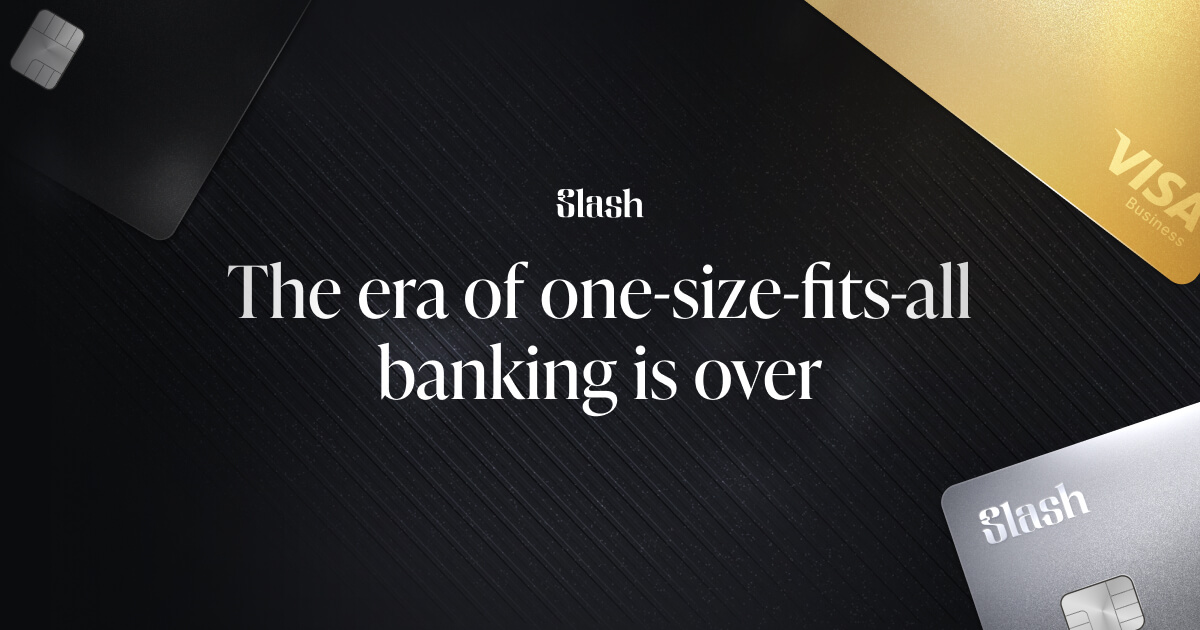
Slash is an excellent tool for modern businesses seeking unified financial operations. It combines the utility of a high-yield checking account with the flexibility of unlimited virtual cards and the forward-thinking features of crypto integration. For agencies, web3 startups, and e-commerce brands tired of fragmented financial stacks, Slash offers a compelling “all-in-one” solution that prioritizes automation and high returns on idle cash. While it may not have the brand legacy of century-old banks, its feature set outperforms many traditional neobanks, particularly regarding its treasury yields (up to 3.86% APY) and robust API access for developers.
| Quick Overview | Rating / Info |
|---|---|
| Overall Score | 9.2/10 |
| Best For | Agencies, Web3 Startups, Tech-Savvy SMBs |
| Starting Price | $0 / Free |
| Biggest Strength | High-yield Treasury & Unlimited Virtual Cards |
| Main Weakness | Crypto features limited to specific entities |
| Best Alternative | Mercury |
What is Slash?
Slash is a financial technology platform, not a bank, that provides business banking, corporate cards, and treasury management services. Built specifically for the needs of modern companies, it helps business owners streamline their finances by offering a centralized hub for spending, saving, and investing. Unlike traditional banks that often feel sluggish and disconnected from the digital economy, Slash integrates seamlessly with tools that agencies and tech companies use daily. It stands out for bridging the gap between fiat and digital currencies, offering unique stablecoin payment options and high-yield accounts that maximize the value of every dollar held on the platform.
Created by Slash Financial, Inc., it stands out for its aggressive approach to yield and automation. The platform is designed for businesses that operate at high speed and require granular control over their finances. With banking services provided by Column N.A. (Member FDIC), Slash ensures security while leveraging its own tech stack to deliver features like unlimited virtual cards for ad spend, automated expense management, and a developer-first API that allows companies to build custom financial workflows. It is particularly tuned for industries like affiliate marketing, web3, and e-commerce where cash flow management and payment flexibility are critical for survival and growth.
Key Features
- Unlimited Virtual Cards – Create infinite virtual cards for every ad platform, vendor, or subscription, allowing you to pause spending instantly and prevent unauthorized charges.
- High-Yield Treasury – Earn up to 3.86% APY on idle cash through treasury management, turning your business checking account into a growth engine.
- Crypto On/Off Ramps – Seamlessly convert between fiat and stablecoins (USDC/USDT) within the app, ideal for Web3 businesses paying global contractors.
- Multi-Entity Management – Toggle between bank accounts for different business entities effortlessly, making it perfect for agencies or founders managing multiple LLCs.
- Slash API – Every account comes with read and write API access, enabling you to automate invoicing, payouts, and reconciliation without expensive third-party tools.
Slash Pricing & Best Plan
Slash offers a transparent pricing model designed to scale with your business. The Free Plan is surprisingly robust, offering unlimited virtual cards and essential banking features without a monthly fee. However, for high-volume businesses, the Pro Plan at $25/month is a no-brainer; it eliminates fees on domestic wires and same-day ACH transfers, which can easily save a growing business hundreds of dollars monthly. Below is a breakdown of the current pricing tiers:
| Plan | Price | Best For | Key Limits |
|---|---|---|---|
| Free | $0 | Startups & Testing | $1 ACH, $6 Domestic Wires, 1% FX Fee |
| Pro | $25/mo | Best value for most users | Free ACH/Wires, Priority Support, Enhanced Limits |
| Custom / Enterprise | Custom | Large Teams & Web3 | Volume-based crypto pricing, Dedicated management |
Real-World Use Cases & Results
We analyzed Slash through the lens of specific professional scenarios to evaluate its performance in the wild. For Marketing Agencies, the unlimited virtual cards are a game-changer, allowing isolation of client ad spend with total control. For Web3 Companies, the ability to receive stablecoins and convert them to USD for payroll without leaving the platform significantly reduces operational friction. E-commerce stores benefit from the high-yield treasury, allowing them to earn interest on inventory cash reserves before paying suppliers. Here is how Slash performed:
| Use Case | Time Saved | Quality | Recommendation |
|---|---|---|---|
| Managing Ad Spend for 10 Clients | ≈ 10h / month | Excellent | Strongly recommended |
| Paying International Contractors | ≈ 5h / month | Great | Strongly recommended |
| Maximizing Idle Cash Returns | N/A (Passive Income) | Excellent | Strongly recommended |
| Traditional Brick & Mortar Retail | ≈ 2h / month | Average | Avoid (Web-focused better) |
Slash vs Main Competitors
When comparing Slash to other neobanks like Mercury, Brex, and Ramp, the choice often comes down to specific feature requirements. Mercury is the incumbent favorite for Silicon Valley startups, offering a polished UI and venture debt connections, but it lacks the native high-yield treasury and crypto features that Slash offers out of the box. Brex is excellent for enterprise spend management but has alienated many smaller SMBs with fee restructuring. Ramp is fantastic for cost-saving insights, but Slash wins on the combination of banking + earning interest + crypto. Slash is the superior choice for businesses that view their bank account as an operational asset rather than just a place to store money.
| Tool | Quality | Speed | Price | Winner & Why |
|---|---|---|---|---|
| Slash | 9.5/10 | 9/10 | Free/$25 | Best for Yield & Crypto |
| Mercury | 9/10 | 9/10 | Free | Best for Traditional VC Startups |
| Ramp | 8.5/10 | 9.5/10 | Free | Best for Pure Expense Management |
| Brex | 8/10 | 9/10 | Free/Paid | Best for Enterprise Scale |
Pros and Cons
Every financial tool has trade-offs. While Slash excels in providing a modern, feature-rich experience, potential users should consider the maturity of the platform compared to legacy institutions. The focus on crypto and high-yield products is a massive pro for some but might add unnecessary complexity for very low-tech traditional businesses. Here is the breakdown:
| ✅ Pros | ❌ Cons |
|---|---|
| Unlimited Virtual Cards – Total control over vendor spending and subscription management. | Newer Player – Less established history than Mercury or traditional banks. |
| High-Yield Treasury – Earn up to 3.86% APY, significantly beating standard business savings. | Geo-Limits – Some crypto and credit features are restricted based on entity location. |
| Crypto Integration – Native stablecoin support is rare and invaluable for Web3 businesses. | Mobile App – While functional, the mobile experience is still maturing compared to incumbents. |
| Developer API – Full automation access included, reducing need for expensive ERP connectors. | No Physical Locations – Fully digital, which can be an issue for cash-heavy businesses. |
Final Verdict & Who Should Buy It
Slash earns a 9.2/10 overall. It is a powerful, forward-thinking financial platform that correctly identifies the needs of the modern business. By combining high-interest returns with robust spend controls and crypto capabilities, it solves multiple problems simultaneously. For too long, businesses have had to accept near-zero interest on their operating funds; Slash disrupts this model effectively.
- You run a Marketing Agency and need granular control over ad spend across multiple clients.
- You are in the Web3 or Crypto space and need a business account that understands stablecoins.
- You want to earn high-yield interest on your business cash reserves without locking it up.
- You are a brick-and-mortar store dealing mostly in cash → try a traditional local bank instead.
- You require extensive physical branch access for cash deposits → try Chase or Bank of America.
- You need specialized venture debt introductions immediately → try Mercury.
Frequently Asked Questions
Is Slash better than Mercury?
Slash is better if you prioritize earning high-yield interest on your checking balance and need native crypto support. Mercury is better if you are a traditional VC-backed startup looking for extensive venture capital networking.
How much does Slash cost?
Slash starts at $0/month for a robust Free plan that includes unlimited virtual cards. The Pro plan is $25/month and is the best value for businesses making frequent wire transfers.
Does Slash use your data for training?
Slash follows standard financial data privacy regulations. They do not use your specific financial transaction data to train external AI models, maintaining strict confidentiality.
Is Slash FDIC insured?
Yes, banking services are provided by Column N.A., Member FDIC. Additionally, Slash utilizes sweep networks to provide enhanced FDIC insurance coverage for large balances.
What is the strongest alternative to Slash?
Mercury is currently the strongest alternative due to its popularity, polished UI, and large user base, though it lacks Slash’s high-yield treasury features.
Discover more from AI Founder Kit
Subscribe to get the latest posts sent to your email.